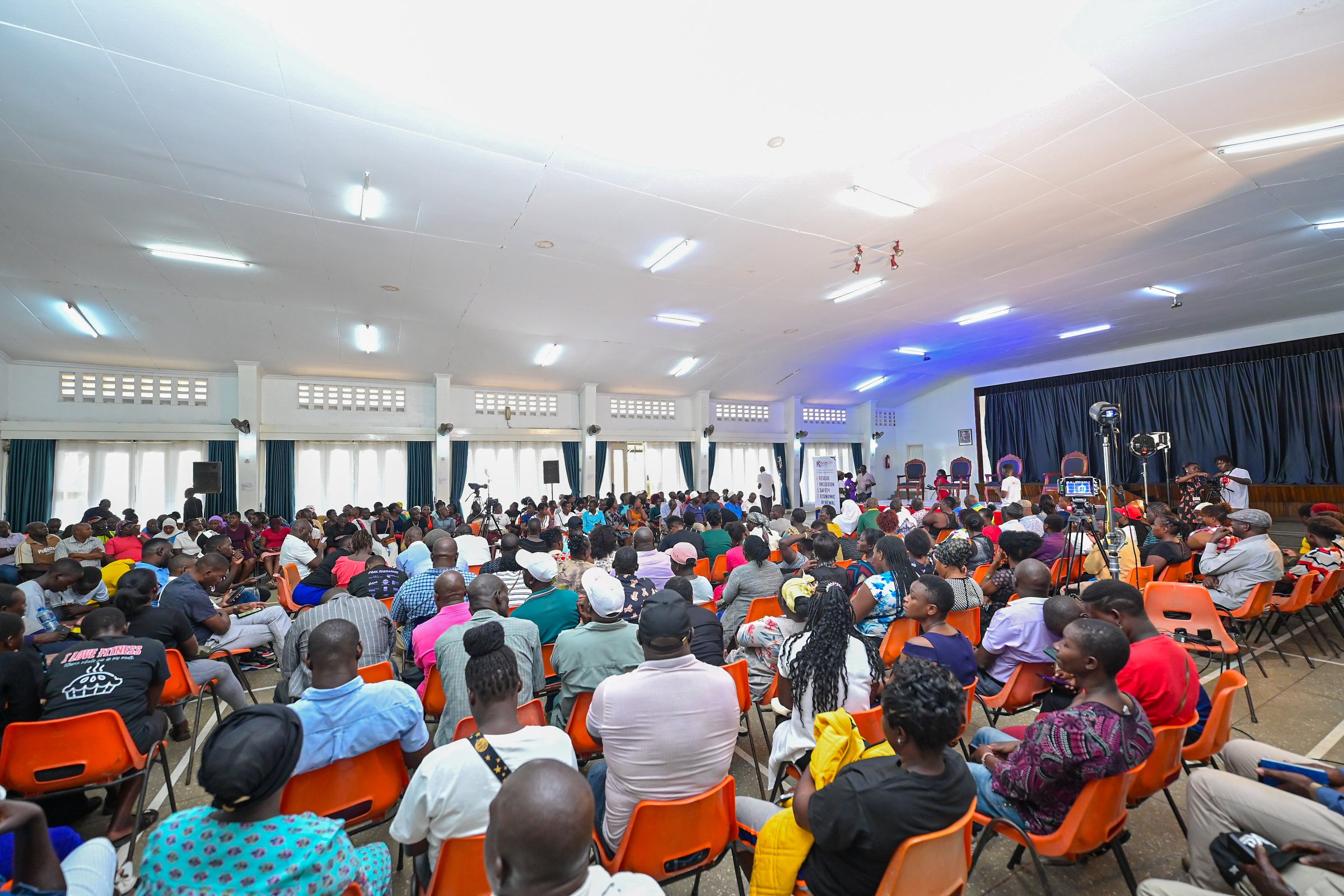
Kisumu · Public record 01
Kisumu Speaks.
County accountability, public safety, livelihoods and Kenya's political road to 2027.
Enter the public recordFace The Nation · Public Town Hall
A civic forum where citizens, evidence and decision-makers meet. Not a rally. Not a press conference. A disciplined public conversation.
Register for a town hallFace The Nation is the Caelus Institute town hall. Each edition centres a question of public consequence and opens the room to lived experience, competing views and practical accountability.
The forum is designed to make public dialogue more informed, more representative and more useful after the microphones are switched off.
Upcoming · Garissa · 10 October 2026
Northern Kenya grades the manifesto — four years on. Four debate rounds, audience questions and a closing vote on the government’s 2022 promises.
Garissa · Venue confirmation pending
Doors open at 1 p.m.
Political Headache × Nenosphere
Public record · Face The Nation
Each edition remains available as a public resource: the question, the arguments, the audience response and the record of what was said.
County accountability, public safety, livelihoods and Kenya's political road to 2027.
Enter the public record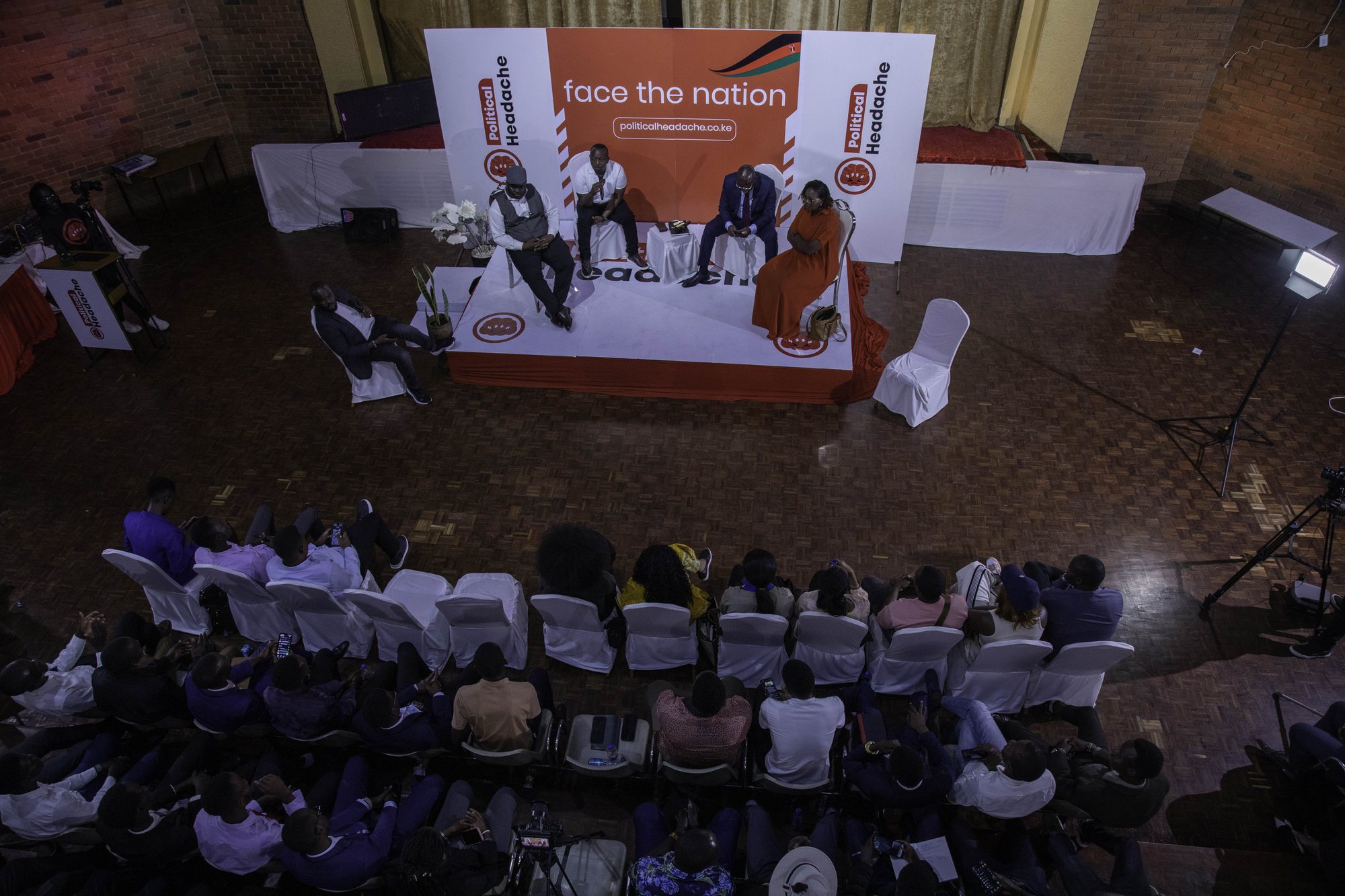
A panel and public discussion on sovereign borrowing, debt justice and fiscal accountability.
Enter the public record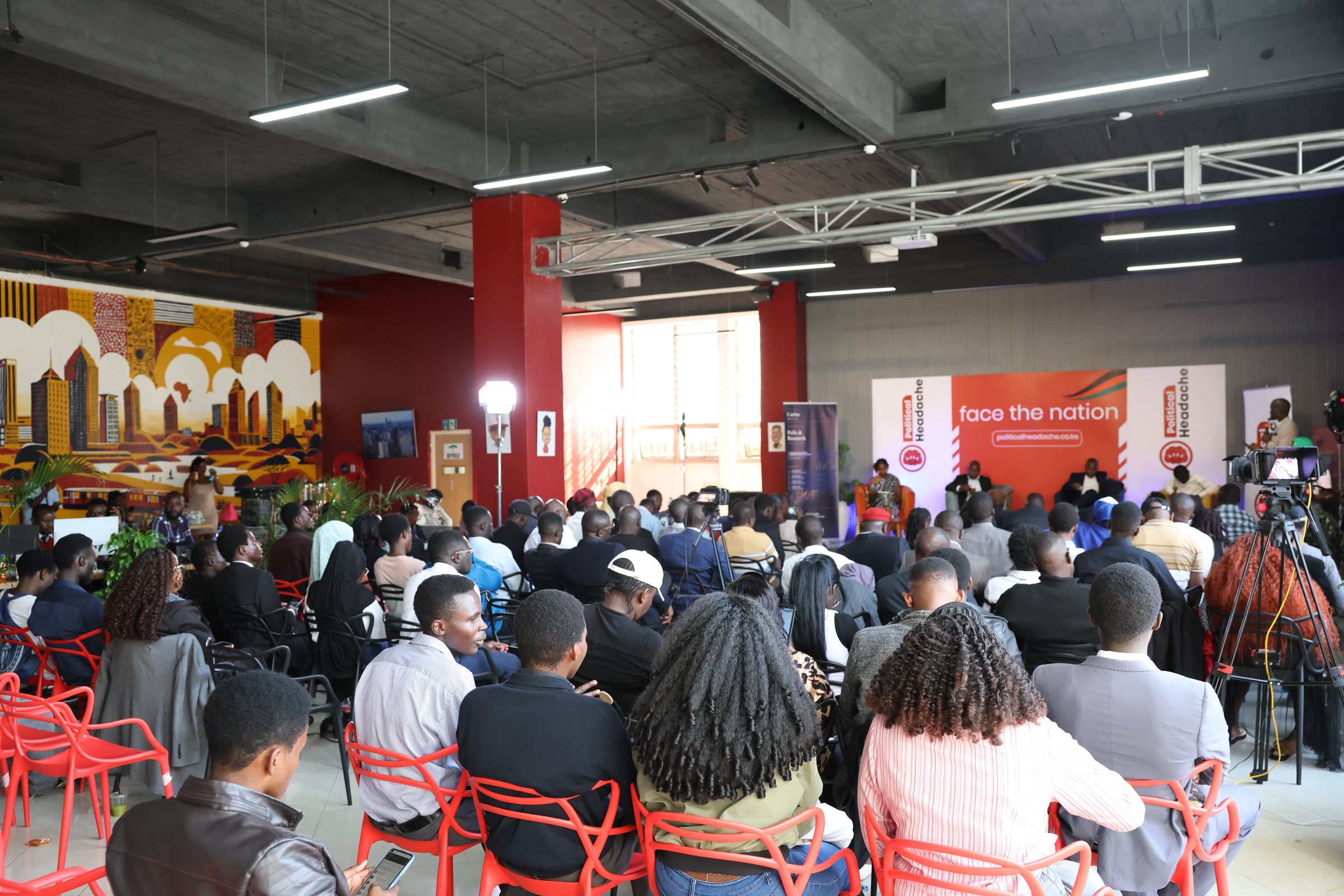
A public audit of Vision 2030 and the guarantees Kenya's next national vision must make.
Enter the public recordUpcoming · Countdown 2027
The first room audited what Kenya has built and what must come next. The series now moves from who pays for political power to what citizens expect the next government to deliver.
What Kenyan Politics Costs, and Who Pays It
Who funds a campaign—and who gets hurt in one?
A tracker of political-violence incidents and case status, alongside a citizen's guide to campaign-finance disclosure.
The Citizens' Demand Sheet for 2027
What do we actually want the next government to do?
A published Citizens' Demand Sheet 2027 and a practical framework for measuring every manifesto against it.
Industrial Area, Nairobi
Doors open at 1:30PM
English and Kiswahili; Sheng welcome from the floor.
Editorial disclosure: Countdown 2027 is convened by Political Headache, an independent KoaMedia editorial product. It sets the agenda and chooses the questions; no party, candidate or organisation buys a panel seat.
Register your interestRegistration
Register as an attendee, contributor, convening partner, mobilisation organisation, funder or member of the media. We will follow up with the relevant information.
The model
A poll or focused research brief establishes what people are experiencing and the questions the forum must confront.
Citizens, practitioners and decision-makers respond to the same evidence in a moderated public forum.
We release the findings, key arguments, commitments and an accessible record of what the conversation changed.
Forum standard
The discussion starts with published findings and a clearly framed public question.
The public is not used as a backdrop. Questions and experiences shape the forum.
Moderation invites disagreement, tests claims and rejects political performance.
Every edition produces a public summary so the value continues beyond the event.